When the Clip Gives Out: A Short Rehearsal for Loose-Dog Moments
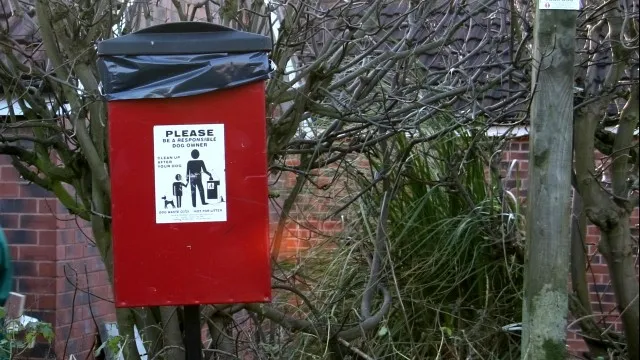
Photo: Alan Walker, CC BY-SA 2.0, via Wikimedia Commons
Most UK dog walks pass without drama. Same route, same sniffs, same slightly muddy pawprints by the door. That is exactly why the what-if moment catches us out. A collar loosens after a roll in the grass. A clip that has done its job for months gives up near a busy junction. A dog slips backwards out of a harness during a startled spin.
You do not need to spend your evenings catastrophising. You do need a small, repeatable plan. Think of it as a five-minute rehearsal, not a full emergency drill. The aim is simple: if the lead goes loose, you are not starting from scratch.
At Fetch My Dog, we look after dogs on walks, sits and everyday routines, so we are big fans of small preparations that fit real life. This is one of them.
Start With the ID That Actually Works
A tag is only useful if someone can read it. Before you rehearse anything else, spend a minute on the basics. Check the tag on your dog's collar or harness. Is the phone number current? Is the lettering still clear, or has it worn down to a faint smudge? Does the tag hang somewhere that will survive a dog barging through a hedge?
Then check the microchip. In the UK, microchipping is a legal requirement for dogs in England, Scotland and Wales, and it has been required in Northern Ireland for much longer. The chip is only as good as the details attached to it. If you have moved house, changed your mobile number or taken on a rescue dog with old records, log in to the relevant microchip database and update them. Keep the chip number saved in your phone.
While you are there, take a clear, recent photo. Not the perfect Instagram shot. A full-body side view and a close-up of the face, taken in daylight, are far more useful if you ever need to share them quickly. Save both in a folder on your phone called something obvious, so you are not scrolling through holiday pictures while your dog is heading for the park gate.
Teach One Word That Means Come Back Now
Most dogs have a recall cue. Many dogs have a recall cue that works beautifully until something more interesting appears. An emergency cue is different. It is a word or sound reserved for the moment you really need your dog to turn around: a whistle, a cheerful “here”, a specific word you do not use casually.
Keep it short. Practise indoors first, with high-value treats and no distractions. Then try it in the garden or a quiet corner of the park. Pay generously every time. Never use the cue to call your dog away from something and then do something dull, like clipping the lead on and going straight home. That teaches a dog that coming back ends the fun.
If your dog's recall is still a work in progress, keep a long line on during practice. The cue is not a magic spell. It is a habit you build while things are calm, so that it has a fighting chance when things are not.
Pick a Safe Handover Spot Before You Need It
If your dog slips free, your instinct may be to chase. Most dogs treat that as a game, and the gap gets wider. A better plan is to know where you can get your dog back on lead safely. That might be a fenced garden, a quiet driveway, a park enclosure, a vet surgery or a dog-friendly pub with a closed door.
Walk your regular routes with this in mind. Notice two or three spots where you could crouch down, use your emergency cue and clip a spare lead on without being beside a road. A spare slip lead folded in a pocket or walking bag is worth its weight in gold. Practise the handover at home too: collar hold, lead on, treat, calm praise. The less of a drama it is, the less likely your dog is to wriggle away again.
Save the Numbers While You Are Calm
When a dog is loose, nobody wants to be searching council websites. Save the useful contacts now. Add your local council dog warden service, your vet, the nearest out-of-hours vet, and a trusted local lost-dog group to your phone favourites. DogLost is a well-known UK resource, and many areas have active local Facebook groups. If you use a dog walker or sitter, save their number too, and make sure they have yours.
Write the microchip number and your emergency contact on a small card for your walking bag. Phones die. Pockets get soaked. A bit of paper is not glamorous, but it works.
The Five-Minute Run-Through
Once a month is plenty. Set a timer and move through it without turning it into a big production.
- Minute one: check the tag, microchip details and recent photos. Fix anything that is out of date.
- Minute two: run three or four happy repetitions of your emergency cue in the garden or hallway.
- Minute three: walk to your nearest safe handover spot and picture how you would use it.
- Minute four: check your saved contacts and make sure your spare lead is where you think it is.
- Minute five: reward your dog, put the kettle on and get on with your day.
If It Actually Happens
Stay as calm as you can. Do not run after your dog. Use the emergency cue, crouch down, make yourself interesting and keep your voice light. If your dog is heading towards traffic, call 999. If they disappear, contact your microchip database, local dog warden and local lost-dog groups quickly. Share your recent photo and the last known location.
None of this makes you a worrier. It makes you prepared. And a five-minute rehearsal now and then is a small price for a bit more confidence on every walk after it.