Beyond the Cute Photo: What a Proper Dog-Sitting Update Should Tell You
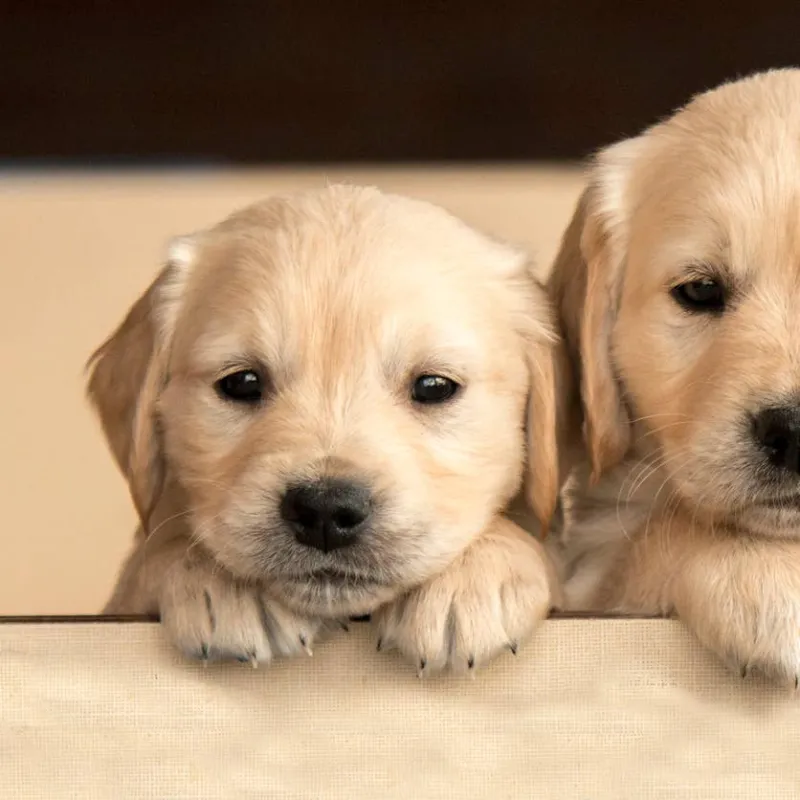
Photo: dog sitter sending photo update on phone with dog at home UK, via paradepets.com
At 12:15, your phone buzzes. There is your dog, upside down on the settee, one ear flipped inside out. It is a great photo. It is also, on its own, almost useless. It tells you the dog was on the settee at some point, somewhere, in some mood. It does not tell you whether the walk happened, whether water was refreshed, or whether that upside-down pose is relaxed or rigid.
A good dog-sitting update is not a greeting card. It is a handover document with fur on it. Busy UK owners do not need a novel at lunchtime, but they do need enough evidence to spot a problem before it becomes a vet visit or a missed meal. Here is what a proper check-in should actually show.
Timestamps are the spine
'Morning update' is a vibe. 'Walked at 11:05 for 25 minutes' is information. Ask for times on the key events: the walk, the feed, any medication, and the last toilet break. A photo sent at 12:47 says more than a gallery dumped at 5pm. If your sitter uses WhatsApp, the timestamp is already there — use it. If they send a paragraph with no times, ask one follow-up question: 'What time was the walk?' It is not nosy. It is normal.
Body language is data
A dog on a sofa can still be tense. Look at the ears, eyes, mouth and posture. Is the dog loose and floppy, or curled tight with a tucked tail? Is there a lip lick, a yawn, a whale eye or a stiffened front leg? These are not diagnoses, but they are clues. A ten-second video is often more useful than five photos, because you can see movement, breathing and how the dog responds to the sitter's voice. If the update is all close-up face shots with no context, ask for a wider frame.
Walk evidence, not just scenery
A photo of a tree does not prove a walk. A photo of your dog on a lead, on a pavement, with a poo bag in hand and a time stamp, is evidence. Better still: a short clip of the dog walking away from the house, or a note that says 'we did the usual loop, he pulled a bit near the school, we waited it out'. That tells you the sitter was paying attention, not just collecting content.
Food, water and toilet notes
This is the unglamorous bit, and it is the bit that matters. Did the dog eat all, most, half or none? Was the water bowl refreshed? Did they poo, and was it normal? A good update says 'ate most of breakfast, left a few biscuits' rather than 'he ate fine'. 'Fine' is not a measurement. If your dog is a fussy eater or on medication, ask for the actual amount and the time. A sitter who reports small details is a sitter who is watching.
The honesty test
Here is the counterintuitive one: a good update is not always a glowing one. If your dog was sick, barked at a delivery, refused a walk or had a loose stool, you want to know. A sitter who only ever sends perfect reports is either very lucky or editing. The best check-ins include one honest sentence: 'He was a bit clingy after you left, but settled by 10.' That is not a red flag. That is trust being built.
Spotting a vague update
Vague updates have a pattern. No timestamps. The same photo angle three days running. 'All good' with no evidence. Emojis instead of details. A claim that the dog 'loved his walk' with no time, route or lead. None of these is a crime on its own, but together they are a yellow flag. You do not need to interrogate your sitter. Ask one specific question: 'Was that before or after his lunch?' or 'Did he drink much today?' How they answer tells you plenty.
Build a simple template
You can make this easy for everyone. Ask your sitter to send a midday message with: the time, one photo or short video, a line on the walk, a line on food and water, a line on toilet, and a line on mood. That is six lines. It takes ninety seconds. It gives you a proper picture, and it gives the sitter a clear standard. If they are new, send them your own example on day one. A good sitter will thank you for it.
The cute photo is still welcome. It is just not the whole story. The whole story is a dog who was walked, watered, watched and honestly reported on. That is what you are paying for — and it is what a proper check-in should show.