The Calm Carriage: A Realistic Rail Plan for Dogs and Their Humans
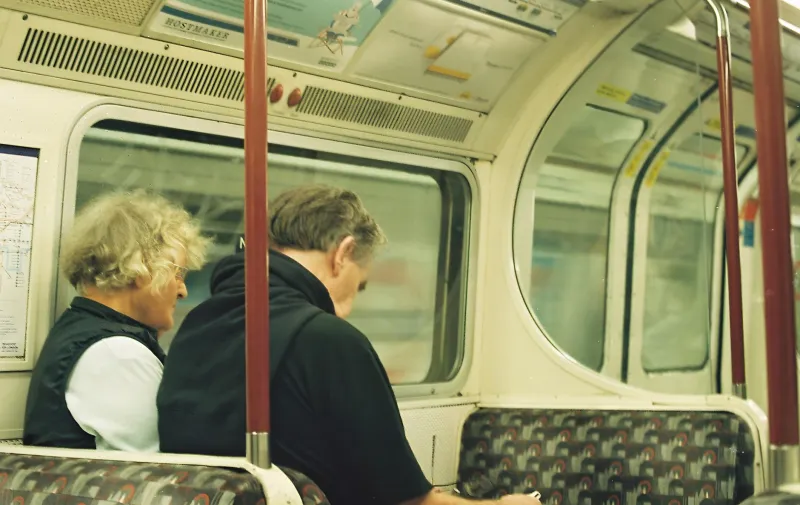
Train travel with a dog has a lovely romantic gloss: window views, a snoozing spaniel at your feet, a flask of tea somewhere in the story. The reality is usually a bit more practical. Platforms are busy, lifts break, carriages get warm, and the difference between a smooth trip and a frazzled one is often fifteen minutes of planning the night before. This is not a guide to the perfect railway adventure. It is a guide to the sensible one.
Start with the operator, not the daydream
In the UK, dog policies are not one national rule you can memorise once and forget. They vary by train operator, route, ticket type and sometimes the time of day. Some allow dogs free of charge. Some ask for a fee or a dog ticket. Some restrict where the dog can sit, how many dogs one person can bring, or whether non-assisted dogs can travel at all on certain services. Before you book, check the specific operator’s website for the journey you actually want to make — not a general rail page from three years ago.
A useful habit is to screenshot the dog policy at the time of booking. If you are challenged on the day, you have the details to hand rather than a vague memory of a webpage. It also forces you to read the small print about leads, carriers, muzzles and aisle space. Most operators expect dogs to be on a lead or in a carrier and kept off seats, but the finer points are worth knowing before you are halfway up a platform.
Peak times are a dog-planning issue
Crowded carriages are not just uncomfortable. They change the maths of dog travel. A calm dog who would happily lie under a table in an empty carriage may find a packed commuter service overwhelming: hot air, wheelie bags, people stepping over tails, announcements crackling overhead. If you can avoid the busiest windows, do. Mid-morning and early afternoon are often gentler than the 7.30am scrum or the 5.30pm exodus.
If you cannot avoid peak travel, plan for less space rather than more. A short lead keeps your dog close. A mat or thin blanket gives them a familiar spot to settle on. Treats that take time to eat — a stuffed chew, a scatter of kibble in a spill-proof bowl — can bridge the awkward first ten minutes. And be honest about your dog’s temperament. A dog who barks at every passing suitcase is not a bad dog; they are a dog who may need a quieter service or a different mode of transport.
The station is half the journey
Owners often focus on the train and forget the station. That is where the surprises live. Check whether your station has step-free access and whether the lift is actually working. A helpful route planner may show a lift, but a lift can be out of service on the day. If you are travelling with a dog, a rucksack and a coffee, stairs are not the moment to discover a contingency gap.
Arrive with enough time to walk the dog before boarding, but not so much that you are loitering on a cold platform with a restless animal. Find the water tap, the quiet corner, the nearest exit. If your dog is noise-sensitive, scope out where the announcements are loudest and stand away from them. On busy stations, use the wider ticket gates where possible and keep your dog on a short lead near platform edges. It sounds obvious until you are juggling a phone, a ticket and a dog who has just spotted a pigeon.
Choose your carriage with your dog in mind
Quiet carriages can be a mixed blessing. They are calmer, yes, but some operators do not allow dogs there, and a dog who whines or rustles a treat bag can become the main event. Check the rules rather than assuming. Often the best spot is not the quietest carriage but the one with a little extra legroom, a table to tuck under, and a reasonable flow of people rather than a stampede.
If you have a choice of seats, aim for an aisle seat near a door rather than a window seat hemmed in by strangers. It gives you room to step out if your dog needs a moment. Keep the lead short and looped around your wrist or under your foot, not trailing into the aisle. And bring something to settle your dog on — a familiar blanket works better than a brand-new travel mat that smells of the shop.
Water, toilets and the small comfort kit
A collapsible bowl and a bottle of water are non-negotiable for anything beyond a short hop. So is a small towel. Trains are not always warm in the way you expect, and a dog who has been rained on at the station will appreciate a rub-down. Pack poo bags, obviously, plus a spare. If your dog is prone to travel sickness, speak to your vet before the trip rather than experimenting on the 10.42 to Leeds.
Think about toilet breaks before boarding. A dog who has had a good sniff and a chance to empty out is a more settled passenger. On longer journeys, check whether there is a sensible break in the timetable or whether you are better splitting the trip. There is no prize for doing it all in one go if your dog is uncomfortable.
Have a delay plan before you need one
Delays happen. The train sits outside Crewe, the carriage gets warm, the announcements become repetitive, and your dog picks up on the change in atmosphere. A small contingency plan helps: extra water, a longer-lasting chew, a favourite toy, and a note of the next station where you could get off if the journey becomes too much. Knowing your escape points is not pessimistic; it is good dog care.
If you are meeting someone at the other end, send them a quick message when you board and again if things change. A fifteen-minute delay is easier for everyone when the person waiting knows about it. And if your dog is clearly distressed, be prepared to abandon the plan. Tickets can be replaced. A dog’s confidence is harder to rebuild.
The before-you-book checklist
Before you book: check the operator’s dog policy, confirm whether a dog ticket or fee applies, look at peak-time crowding, check station access and lifts, and decide whether your dog is genuinely suited to the journey. On the day: walk before boarding, carry water and a bowl, pack a towel and spare poo bags, keep the lead short, choose a seat with escape room, and keep the return plan flexible. None of this makes rail travel with a dog effortless. It does make it calmer — and that is usually the difference between a story you tell fondly and one you quietly delete from the group chat.