Boredom, Barking or Real Distress? Reading Your Dog’s Alone-Time Signals in 2026
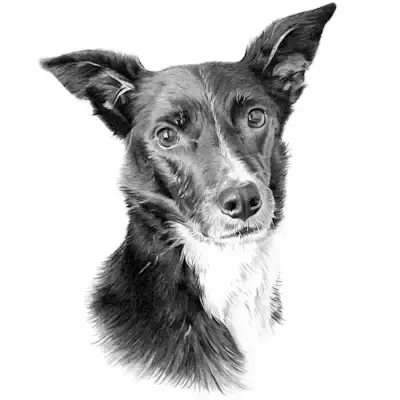
Photo: Mike Bruce, CC BY-SA 4.0, via Wikimedia Commons
Most dogs can cope with a few hours alone. Some cannot, and some are simply under-stimulated and find their own entertainment. From the doorstep, those two situations can look surprisingly similar: chewed furniture, barking neighbours, accidents on the floor and a dog who seems frantic when you get home. But boredom and separation-related distress are not the same problem, and they do not need the same plan. If you are juggling office days, hybrid work and a commute that changes at short notice, this guide is for you.
The short answer
Boredom is what happens when a dog has energy, curiosity and no suitable outlet. Separation-related distress is an emotional panic response to being left alone. A bored dog may be destructive or noisy, but they are not usually frightened. A distressed dog is not being naughty; they are struggling to cope. The signs can overlap, which is why it is worth watching carefully rather than guessing from one chewed shoe.
What boredom usually looks like
A bored dog often gets into trouble in a fairly random way. They might chew a cushion, dig at the sofa, counter-surf, bark at noises outside or follow you around looking for something to do. The destruction is not always focused on doors or windows. They may settle once you are gone and then start looking for entertainment later. A bored dog is often better after a long sniffy walk, a puzzle feeder or a decent chew. They may be annoying, but they are not usually panicking.
What separation-related distress looks like
Genuine distress often starts before you leave. Your dog may shadow you, pant, pace, drool or become clingy when you pick up your keys. During your absence, the signs are usually more intense: continuous barking or howling, destruction concentrated around doors and windows, house soiling in a house-trained dog, escape attempts, heavy salivation, refusing food, or even self-injury. Some dogs panic for the full time you are out. Others cope for twenty minutes and then fall apart. On your return, they may be frantic, clingy or unusually quiet. One chewed item is not a diagnosis, but a pattern of panic is a red flag.
Short absences versus long days
Test the water carefully. Film a ten-minute absence, then a thirty-minute one, then a normal working day if it is safe to do so. Look at the first twenty minutes and the last twenty. A dog who whines for two minutes and then sleeps is probably adjusting. A dog who paces, salivates and scratches at the door for forty minutes needs help. Long days can make boredom worse because energy and frustration build up. They can also make distress worse because the dog has more time to panic. Hybrid working has made this trickier: dogs get used to having you around, then suddenly face full office days again. Unpredictable commutes do not help either.
The departure cue problem
Dogs are brilliant at learning patterns. Keys, shoes, a coat, a laptop bag or the sound of the front door can all become predictions that you are about to leave. If your dog starts pacing the moment you put your shoes on, the build-up is part of the problem. Try quiet departures, vary your routine, and practise putting shoes on and off without leaving. Do not make arrivals and departures dramatic. This will not cure genuine separation anxiety on its own, but it can reduce the daily build-up.
Room-by-room setup for real life
Start with the hallway. If your dog scratches at the front door, use a baby gate or a safe pen to keep them away from the exit. In the kitchen, latch the bin, clear the counters and remove dangling cables. In the living room, partly close the curtains so your dog is not on high alert for every passer-by. Leave a radio or television on low if it helps mask outside noise, but do not rely on it as a cure. If your dog sleeps in your bedroom, do not suddenly shut them out if that increases panic; a gradual plan is better. In the garden, check fencing and never leave a dog outside unattended as a substitute for company. Finally, set up a safe space with water, a comfortable bed and a long-lasting chew. Only use a crate if your dog has been positively trained to settle in one.
A working-week routine that lowers the temperature
Predictability helps. Give your dog a proper morning: toilet, breakfast, exercise, a sniffy walk and a little enrichment. A fifteen-minute decompression walk before you leave can do more than a rushed garden trip. Leave a frozen stuffed toy or a safe chew. Keep departures calm and arrivals boring. On days when you are home, build short periods of alone time rather than being glued together. Track what happens with a diary or a camera. Never punish accidents or destruction; it will only make your dog more anxious. And be realistic: a second dog is not a guaranteed fix for separation anxiety, and it can create a different set of problems.
When to bring in a walker or sitter
If the issue is mostly boredom, a midday walk or a play visit can make a real difference. If your dog is genuinely distressed, a walker can break up a long day, but they are not a magic cure. A sitter may be better for longer absences or for a dog who cannot settle alone at all. Ask about experience with anxious dogs, insurance, DBS checks and pet first aid. Ask how they handle a dog who panics at the door. Fetch My Dog can help you find trusted local support, but the right plan still starts with honest observation at home. A good walker supports your routine; they cannot fix a behaviour problem on their own.
When to call in a professional
If you see panic signs, escape attempts, self-injury, house soiling or repeated complaints from neighbours, speak to your vet first to rule out medical issues. Then look for an accredited behaviourist, such as someone registered with the APBC or ABTC. Separation-related distress is treatable, but it needs a proper plan, not a quick hack from social media. Avoid punishment, shock collars and ‘cry it out’ advice. Those approaches can make panic worse.
Final thought
Boredom and distress are both messages. One says ‘I need more to do’; the other says ‘I do not feel safe alone’. The kindest thing you can do in 2026 is look at the evidence, not the guilt. A camera, a diary, a good walker and, where needed, a vet or behaviourist can make the working week kinder for everyone — especially the dog waiting by the door.