The Sunday Roast Test: An Honest 2026 Checklist for Dog-Friendly Pubs
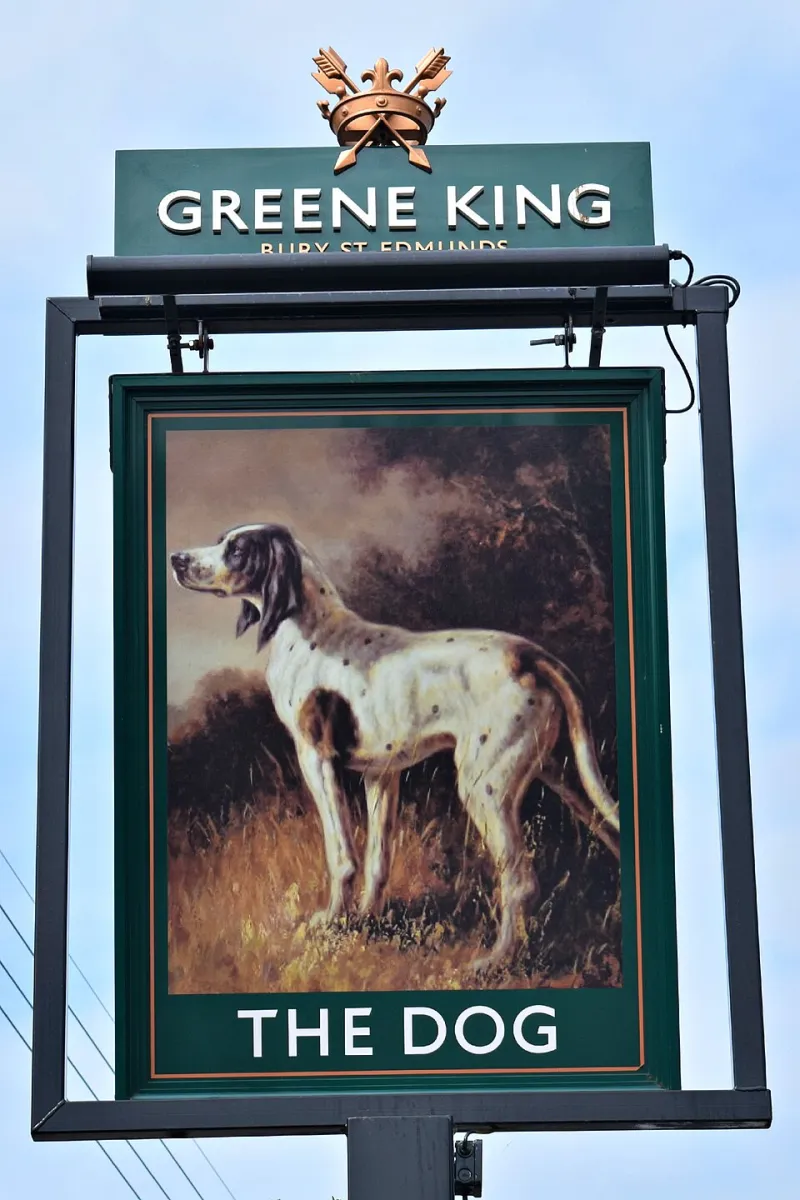
Photo: John Myers , CC BY-SA 2.0, via Wikimedia Commons
Let’s be honest: the phrase ‘dog-friendly’ gets used very loosely in the UK. A water bowl by the door and a jar of biscuits on the bar does not automatically mean your dog will be comfortable, or that other customers will be. In 2026, with pubs busier at weekends and many venues watching every square metre of floor space, it pays to look past the sticker in the window. The Sunday roast test is simple: can you walk in with a dog, settle them safely, eat a proper meal and leave without a drama? Here is the checklist I would run through before booking.
Call ahead, even if the website says yes
Websites go out of date, and social media posts can be older than they look. A quick phone call at a quiet time is worth more than a hopeful assumption. Ask whether dogs are allowed in the bar, the dining room, or just the garden. Ask if there are any breed or size restrictions, whether there is a charge, and whether dogs are welcome during Sunday service. Some pubs are happy with dogs at lunch but prefer them elsewhere during a packed evening sitting. If the answer is vague, assume the welcome is conditional.
The wet-weather test
This is the UK, so the weather will probably have an opinion. A genuinely dog-welcoming pub has thought about muddy paws, wet coats and slippery floors. Look for non-slip flooring, a towel by the door, enough space to dry a dog without blocking a walkway, and a covered outdoor area that is not just a hopeful patio umbrella. If the only dog area is a gravel yard with no shelter in November, a rainy Sunday lunch will be miserable for everyone. Good flooring and a sensible doorway are small details that make a big difference.
Space, leads and the Sunday scrum
Sunday roast is peak pub time. Tables are close, staff are moving quickly, and children may be weaving between chairs. A dog who is fine in a quiet midweek pub may find Sunday lunch overwhelming. Look for a corner table with a bit of breathing room, away from the kitchen doors and the main route to the bar. Keep your dog on a lead unless the landlord clearly says otherwise. Do not let them sit in the aisle, and do not use a long flexi-lead in a crowded room. If your dog is reactive, elderly, deaf, or easily spooked, a shorter visit or a garden table is kinder than forcing the full roast experience.
Water, bowls and the small stuff
Clean water sounds basic, but shared bowls are not always cleaned as often as you would like. Bring your own collapsible bowl if your dog is fussy or has a sensitive stomach. Check where the bowl is placed: a bowl in the middle of a walkway is an accident waiting to happen. Also watch the floor. Sunday roasts mean dropped bones, onions, gravy and all sorts of rich food that is not dog-friendly. A pub can be welcoming and still be a risky place for a scavenger. Keep treats with you, ask before feeding anyone else’s dog, and do not assume the kitchen can cater for your dog’s dietary needs.
Insurance and council rules: what a pub can and cannot promise
A pub’s dog policy is often shaped by its landlord insurance as much as by the landlord’s personal love of dogs. Some policies have conditions about certain breeds, require dogs to be kept on leads, or exclude incidents involving dogs in food areas. Public liability cover is the pub’s issue, not yours, but it explains why staff may say no to a particular dog even if the website says ‘dogs welcome’. Local council rules can also affect outdoor seating, pavement licences and public spaces. They do not usually ban dogs inside pubs, but they can shape what a venue is allowed to do outside. In short, ‘dog-friendly’ is a business decision, not a legal free-for-all.
Etiquette mistakes that make pubs rethink their welcome
A few common mistakes give dog owners a bad name and make pubs more cautious. Assuming every dog wants to meet every other dog is top of the list. Letting your dog off lead in a pub is another. Leaving a dog unattended under the table while you go to the bar or the loo is unfair on the dog and on staff. Not cleaning up outside, ignoring barking, or letting a dog climb on furniture all add to the problem. So does feeding someone else’s dog without asking. The biggest mistake, though, is not reading your own dog’s body language. If your dog is panting, lip-licking, tucked into a corner or trying to hide, they are not having a lovely time just because you are.
A stress-free Sunday plan for busy owners
Walk your dog before you go, but not to the point of exhaustion. Book a slightly off-peak table if you can. Bring a mat, a towel, water, treats and poo bags. Decide who holds the lead and who orders. Keep the visit shorter than you think you need to. Have an exit plan in case your dog gets overwhelmed. If your dog is young, old, reactive or anxious, a garden table or a quick drink is often better than a two-hour roast. For busy owners, a local dog walker before lunch can take the edge off, and a sitter can make a longer pub visit possible without leaving a dog at home for too long. That is where a service like Fetch My Dog can help: a trusted walker or sitter can fit around your weekend plans, rather than you fitting around the dog.
The Fetch My Dog verdict
Genuinely dog-friendly in 2026 means clear rules, sensible layout, staff who are comfortable saying no, and owners who do not treat the pub like a dog park. A pub does not need to be perfect. It needs to be honest about what it offers and safe for the people and dogs already inside. If a venue has made the effort on flooring, space and water, thank them. If it has not, do not argue your way in. Book smart, keep it short, and everyone — dog included — will enjoy the roast more.