The Wet-Dog Vestibule: A Come-Home Routine for Soggy Winter Walks
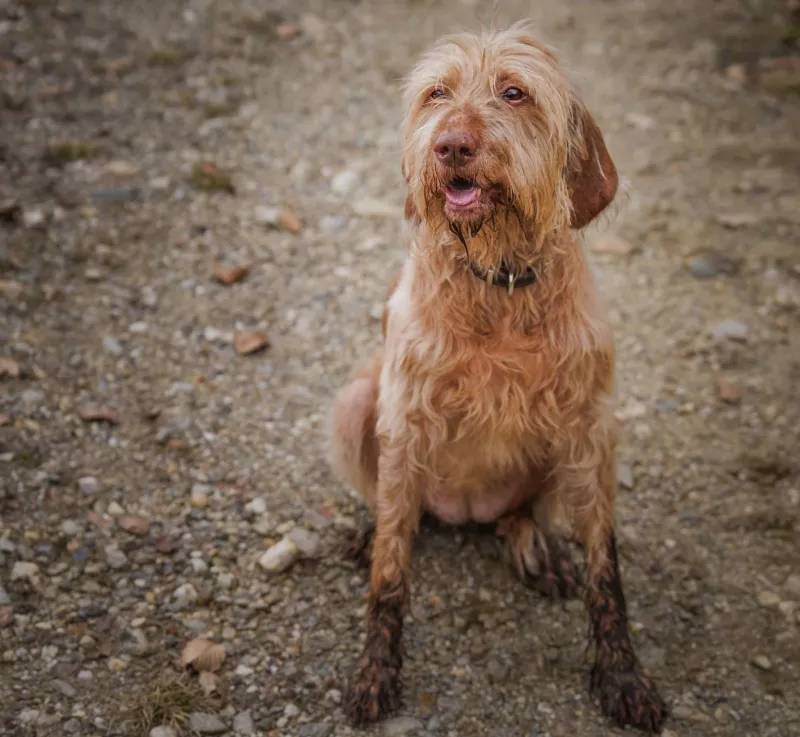
There is a particular kind of chaos that arrives at the front door after a wet November walk. The lead is tangled, the harness is dripping, the dog has discovered a patch of mud you did not know existed, and you are standing in a hallway trying to work out whether to deal with the paws, the coat, the carpet or your own soggy gloves first. The answer, in most homes, is none of them individually. What works is a sequence.
The wet-dog vestibule is not a fancy utility room or a dedicated dog shower. It is a small, repeatable system for the first two minutes after a walk. Done well, it keeps most of the mess in one place, keeps the dog calmer, and makes it genuinely easy to brief a sitter. Done badly, it turns into a weekly argument with a towel.
Set the landing strip before the lead comes off
The best time to prepare for a muddy return is before you leave. A little setup by the door saves a lot of hopping about later.
You need a defined wet zone: a washable mat, an old towel or two, and somewhere to put a wet lead that is not the floor. A shallow plastic basin is useful if your dog is small enough to stand in it, but it is not essential. A stack of microfibre cloths is more useful than one huge bath towel because you can dedicate one to paws, one to the belly and one to the harness without spreading grit around.
If you have carpet in the hall, put down a runner or a cheap washable rug at the door. It sounds obvious, but most hallway mess comes from the ten steps between the front door and the place where the towel actually lives. For flat dwellers, a folded towel inside the door and a lidded box for wet kit can be enough. The aim is not a show-home hallway. The aim is a landing strip that tells everyone, dog included, where the wet part of the day ends.
The order matters more than the kit
A calm routine is easier to teach than a collection of separate jobs. Try the same order every time.
First, pause at the threshold. Let the dog stand on the mat while the door is closed. This is the moment for the big shake, and it is much better that it happens on a washable surface than halfway down the hall. If your dog tends to bolt indoors, keep the lead on until the door is shut and the first towel is ready.
Second, deal with the back and sides. A quick towel over the coat stops drips travelling further into the house. Third, do the paws one at a time, including between the pads and around the edges where grit collects. Fourth, remove the harness and lead and hang them somewhere they can dry. If the harness is properly muddy, it goes in the rinse pile rather than back on the hook.
Finally, give the dog somewhere to finish drying. A crate with a dry towel, a designated dog bed or simply a dry mat in a warm room works well. Avoid the temptation to let a wet dog tear around the house at full speed. That is how muddy paw prints end up on the sofa, the stairs and, somehow, the ceiling.
Quick wipe or proper clean?
Not every wet walk needs the same response. A quick wipe is for damp paws, a bit of pavement grit and a coat that has been rained on but not rolled in anything. Dry the paws thoroughly, check between the toes, and move on.
A proper clean is for mud that has reached the belly, legs or feathering, or for a dog that has found something fragrant in the park. Rinse rather than scrub if you can. A shallow basin of lukewarm water and a cloth is usually enough for paws and lower legs. Dog shampoo should be reserved for the occasions that genuinely need it, because repeated washing strips the coat and can leave skin dry. Dry the dog properly afterwards, especially in cold weather. A damp dog in a chilly hallway is not a happy one.
Muddy gardens deserve their own small rule. If your dog goes out into a wet garden, have a bucket or basin by the back door and a towel within reach. Do not let them walk through the kitchen to find you. Meet them at the door with the routine already in place.
Teach the sitter in five minutes
A good hallway system should be easy to hand over. If a dog sitter can follow it after one demonstration, it is probably simple enough to survive a busy week.
Show them the landing strip, the towel stack and where the wet harness goes. Walk through the order once with the dog, then watch the sitter do it once. Put a short note on the fridge: pause at the door, towel the coat, paws one at a time, harness on the hook, dry mat in the front room. Add anything dog-specific, such as which paw they dislike having touched or where the spare towels live.
This is the sort of detail that belongs in any sitter handover. It is not about being fussy. It is about giving someone else the same small script you use every day, so the dog is not guessing and neither is the sitter.
Cold paws, wet coats and the kit's next move
Winter pavements can be gritty and cold, and some dogs will lift a paw or stop altogether. Dry paws thoroughly after a walk, check for grit or small balls of ice between the pads, and never rub hard at cold feet. A warm room and a dry towel are better than a vigorous massage.
Wet coats need air. Hang the harness and lead so they can dry properly rather than bundling them in a bag. Put used towels straight into the wash basket, not back on the hook. Keep a spare lead and towel near the door if you can, because the one time you need them is the one time the usual kit is soaked.
The real test of a hallway plan is not how it looks on a dry Tuesday. It is whether it still works when you come back muddy, tired and slightly annoyed at the weather. Keep it small, keep it repeatable, and let the dog learn that the mat by the door is where the walk ends and the calm begins.