After the Streetlights: A Winter Walking Plan for the Six O’Clock Dog
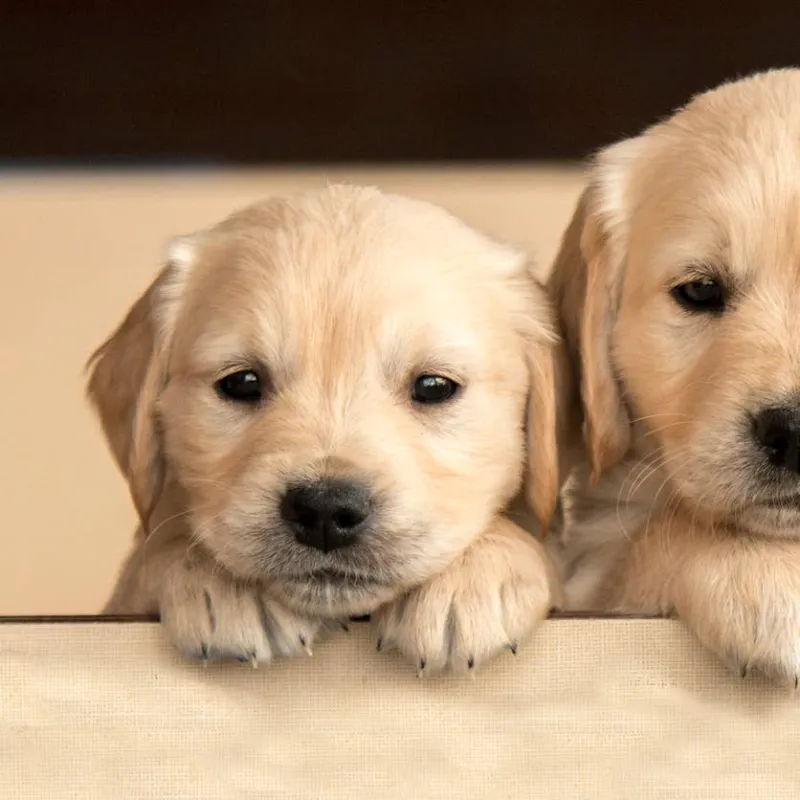
Photo: dog walker reflective hi vis winter evening UK street, via paradepets.com
There is a particular kind of British optimism that says ‘we’ll get out for a nice long walk after work’. Then the clocks go back, the sky turns the colour of wet slate by 4.30pm, and you arrive home at six to find your dog giving you the look that says: I have been patient, but the day is now over and you owe me a field.
Walking in the dark is not a niche hobby for hardy sorts in head torches. For a lot of UK owners from November to February, it is simply the daily reality. The aim is not to recreate a summer ramble at 6pm. The aim is to make the dark walk safe, manageable and mentally satisfying enough that your dog settles afterwards and you do not feel like you have short-changed them.
See and be seen
Visibility is the first job. You do not need to look like a Christmas tree, but you do need to be obvious to drivers, cyclists and the person coming the other way with an overenthusiastic Labrador.
A hi-vis vest or jacket for you is worth the faff. Reflective strips on the dog’s harness or lead are useful, and an LED collar or clip-on light makes a real difference on unlit pavements. A small head torch keeps your hands free for the lead and the inevitable bag. Check the batteries before you leave, not after you have locked the front door.
Make sure your dog’s ID tag is still readable. Winter coats and dark evenings are a bad combination for a tag that has worn smooth. If your details have changed, update the microchip record too. It is dull admin, but it is the sort of dull admin that matters.
Plan the route for the light you have
In summer, you can wander. In winter, you need a route that works in the gloom. Lit residential streets, a loop around a well-used park, or a pavement circuit that avoids the worst puddles are all sensible. The canal towpath is lovely in June and distinctly less lovely in January, especially if your dog has no concept of edges.
Check opening times for park gates. Some close at dusk, and discovering that at 7pm with a dog who is desperate to sniff a specific tree is not the evening you planned. Stick to routes with bins, crossings and streetlights. If you are walking alone, tell someone where you are going, keep your phone charged, and consider sharing your location for the duration.
Pavement hazards are different in winter
Wet leaves are slippery. Black ice is sneakier. Grit can irritate paws, and rock salt can be uncomfortable on sensitive skin. Give paws a quick check and a rinse when you get home if the pavements have been heavily treated. Keep a towel by the door, because your dog will almost certainly walk straight across the carpet before you can catch them.
Watch out for discarded food, broken glass and the sort of puddles that hide a pothole. If your dog is a scavenger, keep the lead shorter near takeaways and bus stops. And if your dog wears a coat, check the fit before you leave; a coat that rides up or restricts the shoulders is worse than no coat at all.
Make the short walk count
A 20-minute dark walk does not have to be a boring one. Dogs do not measure walks in miles; they measure them in information. Let them sniff. A slow amble with plenty of stops can be more tiring than a brisk march around the block. If the pavements are quiet, add a few sits, waits and recalls on the lead. Trick training in the hallway afterwards counts too.
For dogs who need more mental work, scatter their dinner in a snuffle mat or across a towel, give them a chew, or do five minutes of nose work in the garden. The walk is not the only enrichment tool in the box. It is just the one that gets you both out of the house.
Behaviour in the dark
Some dogs are more alert at night. Shadows move, hedge rustles sound bigger, and the dog that ignored a cyclist in daylight may decide that a wheelie bin is a threat after sunset. Keep the lead shorter near corners and blind driveways. Do not let your dog off lead in unlit areas unless you are confident about recall and the area is secure. In the dark, ‘he usually comes back’ is doing a lot of heavy lifting.
If your dog is nervous, walk the same route regularly so the sights and smells become familiar. Avoid the busiest times if you can. And if the weather is truly grim, a shorter walk plus indoor enrichment is a perfectly reasonable swap. You are not failing your dog by refusing to stand in horizontal drizzle for an hour. You are being sensible.
The six o’clock kit list
Keep a small basket by the door: hi-vis layer, reflective lead or harness, LED collar, head torch, spare batteries, poo bags, treat pouch, towel and a torch for the pavement. Replenish the treats before you need them. There is nothing quite like discovering halfway round the block that the treat pouch contains one sad crumb and a receipt.
The dark months are not the best of the British walking year, but they are not a write-off either. A bit of visibility, a sensible route and a dog allowed to sniff like they mean it can turn a torch-lit trudge into a proper walk. And then you can both go home, dry off, and pretend you did not just spend ten minutes discussing the weather with a spaniel.