A Quiet Corner and a Practice Weigh-In: Getting Your Dog Vet-Ready Without the Drama
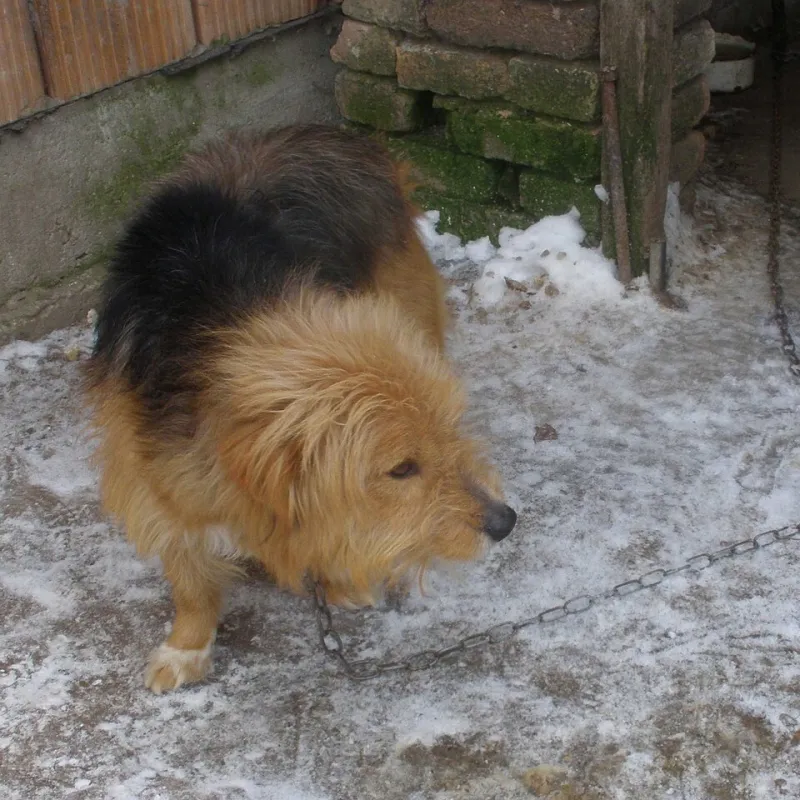
Photo: Stebunik, CC BY-SA 3.0, via Wikimedia Commons
Most dogs don’t have their worst moment at the vet in the consult room. It happens before the appointment: the slippery floor, the smell of other animals, the reception phone, the dog across the bench who wants to say hello, and the scales that appear from nowhere. In 2026, UK practices are busy places, and the waiting room can feel like a small airport terminal. You don’t need a training qualification to make it easier. You need a few short rehearsals, a plan for where to stand, and a handover that gives whoever is holding the lead the same script.
Rehearse the boring bits at home
The aim is not a perfect sit or a show-ring stand. It is familiarity. Set aside a minute or two, not a full session. Touch your dog’s ears, lift a paw, run a hand along the flank, then treat and stop. Keep it light and finish while your dog is still comfortable. If they pull away, go smaller next time.
For the weigh-in, put a flat board or a bathroom scale on the floor and simply let your dog investigate. Treat for looking at it, then for standing near it, then for one paw on it. If your dog is happy, lead them on and off with a treat. Don’t force the full weigh-in at home; the vet team can help on the day. The point is that the scale becomes a dull piece of furniture, not a trap.
Practise a mat, too. A folded towel or familiar blanket gives your dog somewhere to put their feet in a strange room. Reward them for settling on it at home, then take it with you. If your dog wears a muzzle, rehearse putting it on for a few seconds and taking it off. Muzzle consent matters: ask the vet team to let you fit it if that is calmer, and tell them if your dog has never worn one before. A muzzle should never be a surprise.
Choose your waiting-room spot before you walk in
Ring the practice ahead if you can. Ask whether there is a quieter corner, a side entrance, or the option to wait in the car and be called by mobile. Lots of UK practices will work with you on this, especially at busy times. When you arrive, check in at reception, then position yourself near the door or an exit rather than in the middle of the bench. Keep the lead short enough to prevent a nose-to-nose meeting but loose enough that your dog isn’t braced.
If the room is packed, wait outside. That is not a failure; it is good management. A dog who is already over threshold in the waiting room will find the consult room harder. Take the mat, a small handful of treats, and a water bowl if the weather is warm. Avoid letting well-meaning strangers crowd your dog. ‘We’re practising calm today’ is a perfectly good sentence.
Give reception the short version
Reception teams are used to nervous dogs, but they cannot read your mind. Keep it brief and practical: ‘He’s worried about other dogs, so we’ll wait outside.’ ‘Please don’t approach or touch her.’ ‘She wears a muzzle for handling; I’ll fit it.’ ‘Can we use the side door?’ If your dog needs a specific vet or nurse, say so at check-in. If you are handing over to a sitter, make sure the reception team knows who is collecting and when.
This is also where muzzle consent comes in. Some practices prefer to fit their own muzzle for safety, and some will ask you to do it. Either way, ask them to talk you through it first. A dog who is already worried does not need a debate at the desk. A short, clear note on your phone or a folded piece of paper is enough.
Make the sitter handover boring on purpose
If a dog sitter or walker is taking your dog to the appointment, the handover should be calm and short. Meet before the day if possible, and give them a one-page note: practice name and address, appointment time, vet or nurse name, your mobile number, medication details, insurance information if relevant, and the behaviour notes that matter. ‘Doesn’t like other dogs in the waiting room’ is more useful than ‘a bit nervous.’
At Fetch My Dog, we like a handover outside the practice rather than a tag team in reception. The person taking the dog should have the lead, the notes, and the treats. A long goodbye in a busy waiting room only winds the dog up. The sitter can also rehearse the scale and the mat at home before the visit, so the appointment is not the first time your dog has seen either.
Let the appointment end quietly
After the vet, don’t rush straight into a busy street or a big hello. Give your dog a sniff, a drink, and a quiet walk if they want one. Some dogs shake off a vet visit in minutes; others need the rest of the day. Either is normal. The scales are not the enemy. The waiting room is not a test of obedience. It is just part of the appointment, and a little rehearsal goes a long way.