Still Braced for Bangs: A Three-Day Reset for Dogs After Firework Season
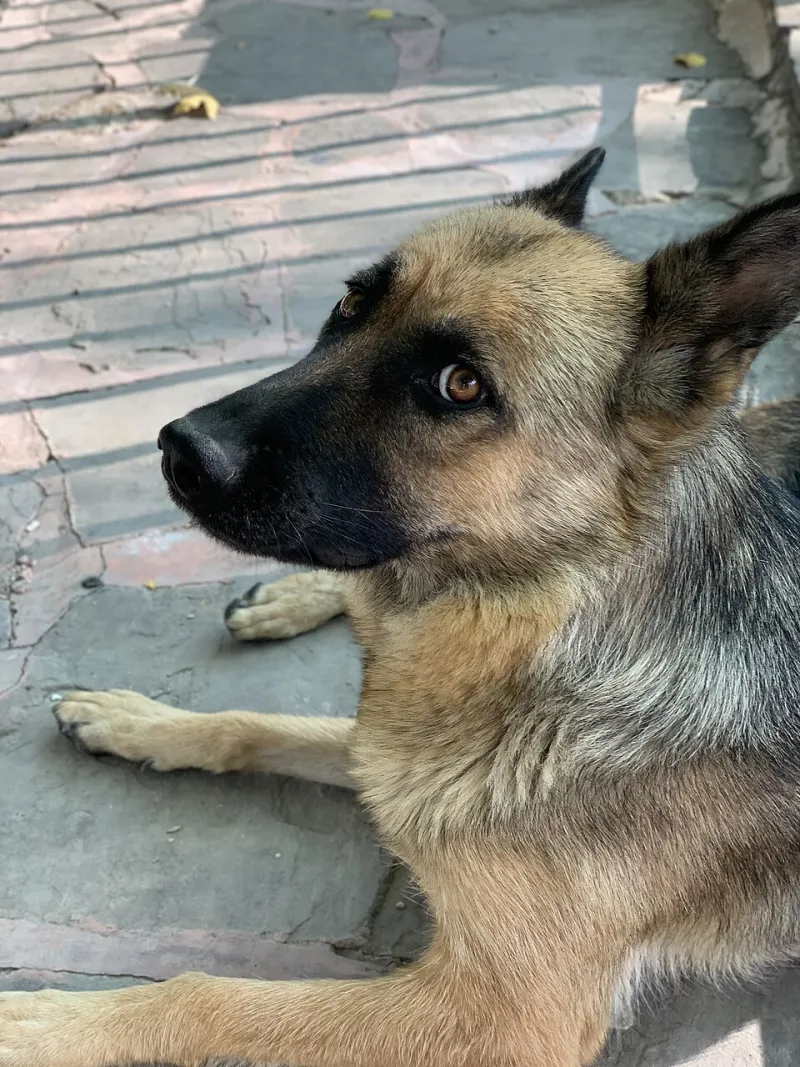
Photo: Danial Esmaeilian, CC BY-SA 4.0, via Wikimedia Commons
Bonfire Night has come and gone for another year, but your dog may not have received the memo. On 11 November 2026, plenty of UK homes are still dealing with a dog who flinches at the kettle, refuses the back garden after dark, or has become a furry shadow following you from room to room. The bangs have stopped. The stress has not necessarily stopped with them.
That is not overreacting, and it is not a dog being dramatic. Firework season asks a lot of sensitive ears and nervous systems, and the aftermath can roll on for days. The good news is that a short, deliberate reset can help your dog settle without turning your week upside down.
The signs that linger after the last rocket
Most of us know the obvious firework behaviour: trembling, hiding, barking, trying to escape. The quieter aftermath is easier to miss. Watch for a dog who is unusually clingy, or unusually withdrawn. A dog who suddenly will not go out for the evening toilet trip. A dog who looks tired but cannot settle, or who startles at everyday sounds like the bin lorry, a dropped pan or the doorbell.
You might also see a change in appetite, looser stools, more lip licking and yawning, or a reluctance to be touched. Some dogs become more alert on walks, scanning the street rather than sniffing. Others seem fine indoors and then plant their paws at the front door. These are not necessarily signs of a long-term problem, but they are worth taking seriously.
Why a quiet few days is not a wasted few days
When a dog has been frightened, the body needs time to come down from that alarm state. Piling on busy walks, visitors, training sessions and exciting days out can keep the system simmering. A low-stimulation reset is not about wrapping your dog in cotton wool forever. It is about giving them a few boring, predictable days so their body can stop bracing for the next bang.
Think of it as a nervous system holiday. Sleep, scent and routine do more heavy lifting than most of us give them credit for.
Day one: turn the volume down
Keep the day small. Skip the long dark walk if your dog is still uneasy, and use the garden or a quiet lead walk at a time when the streets are calm. Let them sniff rather than march. If they want to turn back after five minutes, turn back.
At home, keep lights low and sound predictable. Avoid having visitors over if you can, and do not force cheerful interaction with a dog who wants to be left alone. Make sure their safe space is available and not blocked by furniture, children or the hoover. If they usually hide under the desk, leave the desk alone.
Food can be kept simple. Smaller, plainer meals may be easier for a slightly unsettled stomach. If your dog is eating but seems wary, try scattering a little of their dinner across a quiet floor or handing it to them piece by piece. Do not turn it into a performance. Calm is the goal.
Day two: scent before scenery
By day two, you are still not trying to cram in a big adventure. A fifteen- to twenty-minute sniff walk in daylight, somewhere familiar and not too busy, is often more useful than a longer route that keeps your dog on edge. Let them stop. Let them investigate the same lamp post three times. Sniffing is calming work.
At home, offer simple enrichment that does not demand confidence: a scatter feed in the hallway, a cardboard box with treats folded inside, a chew on their bed, or a snuffle mat if they already know and like one. Keep the house calm while they do it. This is not the week to introduce a new puzzle toy that clicks, beeps or rolls under the sofa.
If you are out at work, a dog sitter or walker briefed on the plan can help keep the day boring in the best possible way. The key is consistency: same quiet route, same calm tone, same permission to opt out.
Day three: a gentle return to normal
On day three, see how your dog is doing rather than deciding for them. If they are sleeping better, eating normally and happy to potter in the garden, you can add a little more. Try a short familiar walk, perhaps ten minutes longer than the day before. Keep evenings calm and avoid stacking lots of new things into the same day.
Do not rush straight back to the busiest park or the pub garden if your dog is still watchful. A gradual return is kinder than a test. And remember that New Year's Eve is still ahead, so any firework plan you used this month is worth keeping somewhere handy.
The practical bits: sleep, food and safe space
Sleep is the quiet hero of this reset. A tired, stressed dog often needs more rest, not more entertainment. Let them sleep without being disturbed, and do not feel guilty about a slower day. Keep their bed away from windows if the garden is still full of late fireworks, and leave a familiar blanket or worn jumper nearby. Some dogs settle better with a radio or white noise at a low volume.
Keep meals predictable and fresh water available. If your dog is not eating, do not leave food down all day and hope for the best; note what they are actually taking in. A little warm chicken or their usual food slightly warmed can be more tempting, but avoid a sudden rich feast.
When to call the vet or a behaviourist
A few off days after fireworks can be normal. A dog who is still in serious distress several days later needs more support. Contact your vet if your dog has not eaten for around twenty-four hours, is vomiting or has diarrhoea, is not drinking, seems painful, cannot settle at all, or is injuring themselves trying to escape. Sudden appetite loss or extreme lethargy can have causes other than stress, and it is always worth ruling out pain or illness first.
Ask for help from a qualified behaviourist if the fear is spreading to other noises, if your dog is panicking daily, if there is house soiling, aggression, self-injury or a complete inability to relax. In the UK, look for a registered clinical animal behaviourist or someone properly accredited through a recognised body such as the APBC or ABTC. Your vet can point you in the right direction.
The aim of these three days is not to make your dog bomb-proof by Friday. It is to give them a chance to come down from the alert. Quiet, sniffing, sleep and a bit of patience can do a surprising amount. If your dog is still braced for bangs a week from now, that is not failure. It is simply information, and it is worth acting on.